
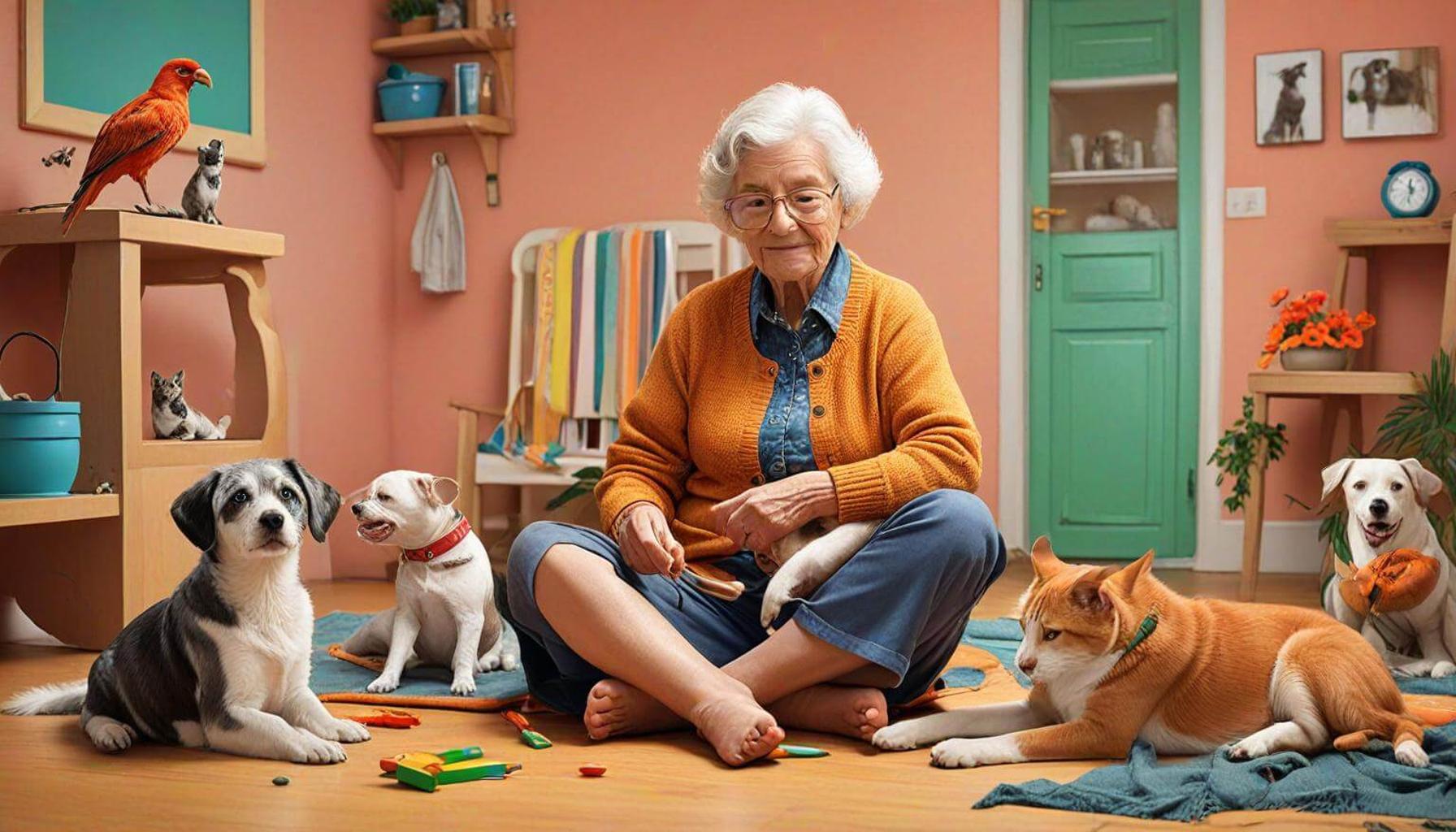
Pets are often more than just companions; they play a significant role in enhancing mental health for children and the elderly.
Research suggests that interaction with pets can reduce anxiety levels in children, providing them with a sense of security and a safe outlet for emotions.
For elderly individuals, pets serve not only as companions but also stimulate memory recall, encourage mobility, and foster social interactions.
This bond between humans and animals can release oxytocin, a hormone linked to lowering stress and promoting happiness.
Overall, pets contribute to an enriched quality of life, proving that their presence is more than a simple act of companionship.
Exploring the bond between humans and their pets, it becomes clear that these relationships offer profound psychological benefits for both children and the elderly.
Pets provide a sense of companionship and purpose, often mitigating feelings of loneliness and depression, which is invaluable for the mental well-being of these vulnerable groups.
Furthermore, the responsibilities associated with caring for a pet can instill discipline and foster empathy in children, while offering a comforting routine for older adults.
This intricate interplay of emotional, social, and physical support presented by pets highlights a significant area for further research, as understanding it better could lead to enhanced therapeutic practices and policies to improve mental health outcomes.

Linda Carter is a writer and pet care expert specializing in pet health, grooming, and wellness. With extensive experience helping pet owners create safe, loving, and enriching environments for their animals, Linda shares her knowledge on our platform. Her goal is to empower readers with practical advice and strategies to ensure their pets thrive and lead joyful, healthy lives.