
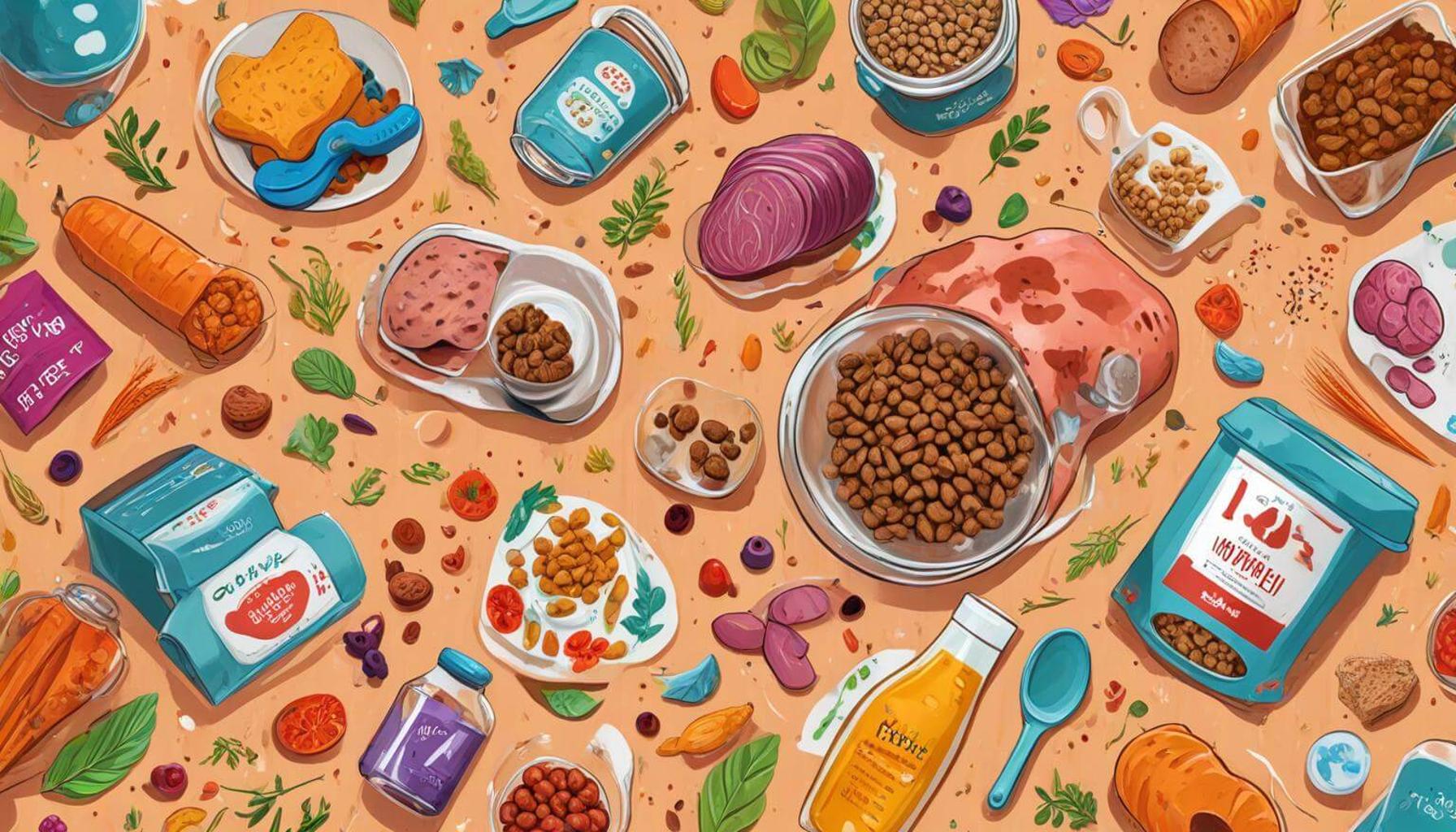
In recent years, there has been an increasing trend toward homemade pet food, as pet owners seek to offer their furry companions the best possible nutrition.
This shift is largely driven by the belief that by controlling the ingredients, pet owners can ensure their pets receive high-quality and natural meals, free from preservatives and artificial additives.
However, while homemade pet food boasts numerous benefits, it requires careful attention to ensure a balanced diet that meets all of a pet’s nutritional needs.
Owners must be cautious, as an unbalanced diet can lead to nutritional deficiencies or excesses that could harm the pet’s health over time.
Simple homemade recipes, such as a mix of lean protein like chicken or turkey with vegetables like carrots and peas, along with grains like brown rice, can offer a nutritious basis for pet meals.
Embracing homemade pet food offers distinct benefits for pet owners eager to ensure optimal nutrition and bonding through meal preparation.
The flexibility to tailor meals based on individual pet needs is empowering, albeit requiring a cautious approach with veterinary guidance to safeguard against nutritional imbalances.
With simplicity and variety in recipes, pet owners can explore an engaging culinary journey that strengthens the pet-human relationship while encouraging creativity in the kitchen.
As more embark on this path, continuous research and consultation with experts remain pivotal to maximizing health benefits and minimizing potential risks.

Linda Carter is a writer and pet care expert specializing in pet health, grooming, and wellness. With extensive experience helping pet owners create safe, loving, and enriching environments for their animals, Linda shares her knowledge on our platform. Her goal is to empower readers with practical advice and strategies to ensure their pets thrive and lead joyful, healthy lives.