How Animals Impact Childrens Social Behavior Development
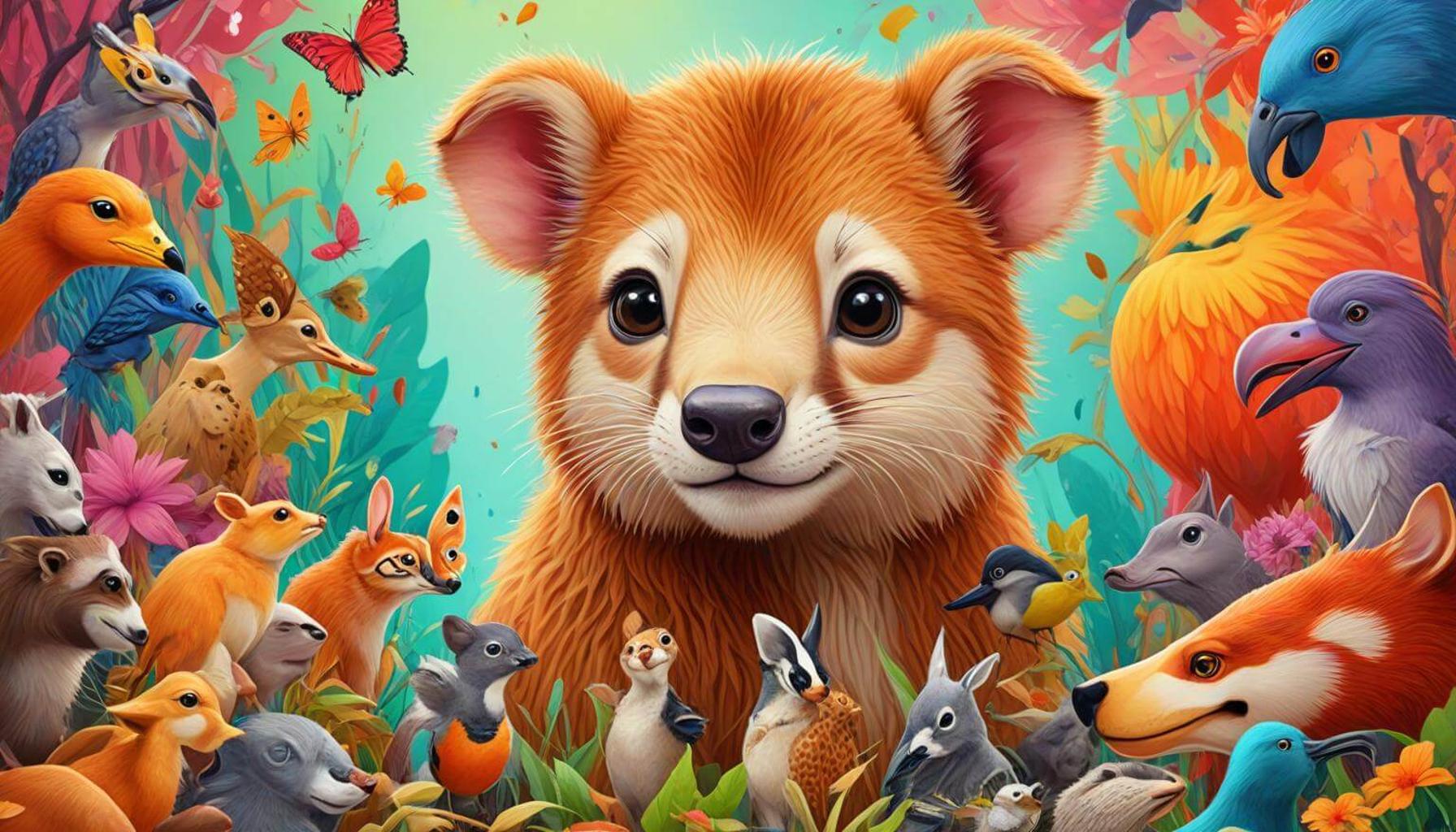
The Role of Animals in Childhood Development
During formative years, children are busy exploring and figuring out their place in the world. Animals, from household pets to wildlife, significantly influence this exploration, aiding in the enhancement of their social skills and emotional intelligence. The nature of these interactions often shapes how children perceive relationships and navigate social landscapes.
- Companionship: Pets serve as loyal companions, providing children with a sense of security and comfort. The unconditional love they receive from animals fosters a deep sense of trust and empathy. For instance, a child who cares for a dog learns to recognize the needs of another being, understanding the importance of nurturing and affection in relationships. This bond transcends verbal communication, helping children learn valuable lessons about loyalty and companionship.
- Social Skills: Engaging with animals encourages children to communicate and cooperate. Whether they are playing fetch with a dog or observing a lizard in the backyard, these interactions instill essential social behaviors. In the Nigerian context, children often interact with goats, chickens, or even pigeons, which offers a unique avenue for collaborative play, enabling them to share responsibilities and develop teamwork skills, such as taking turns and sharing excitement when an animal performs a trick.
- Emotional Regulation: The responsibility of caring for animals teaches children about emotional management. For instance, feeding and grooming a pet demands patience and consistency, thus fostering a sense of responsibility. Research indicates that children who pet or play with animals exhibit lower levels of anxiety and generally cope better with stress. They learn to recognize their own emotions and respond empathetically to the feelings of others, crafting a foundation for emotional intelligence.
In Nigeria, the relationship between children and animals is visibly woven into everyday life. Many families embrace pets like dogs and cats, while local farm animals such as goats and chickens are cherished companions. These pets often facilitate social interactions among peers, serving as conversation starters or subjects around which children can bond. The unique dynamics introduced through caring for these animals become platforms for children to learn cooperative skills while navigating the complexities of friendship.
The lessons learned extend far beyond companionship. Children gain insights into life cycles, ethical treatment of living beings, and even basic life skills such as feeding and cleaning. Such experiences are imperative for developing empathy, respect, and responsibility—traits that are crucial for fostering well-rounded individuals capable of maintaining healthy social connections throughout their lives. By understanding the profound impact that animals have on childhood development, parents and educators can better align their strategies to nurture these valuable social and emotional competencies within their children.
CHECK OUT: Click here to explore more
Communication and Learning Through Animal Interactions
The interactions children have with animals play a pivotal role in nurturing their communication skills. As children engage with pets or observe animals in their environment, they learn to express themselves and develop a unique language of empathy. This is especially significant in multicultural settings like Nigeria, where diverse interactions with animals can enrich children’s understanding of social dynamics. For instance, children often delight in singing to local birds or mimicking the sounds of different farm animals; such playful exchanges facilitate linguistic development and creativity.
Moreover, caring for animals provides opportunities for children to practice verbal and non-verbal communication skills. When children talk to their pets, they articulate their emotions and build narrative skills by sharing their experiences with peers. For example, a child who frequently shares stories about a mischievous goat to friends not only enhances their storytelling ability but also fosters a deeper connection through shared laughter and amusement. It’s these memorable interactions that enhance a child’s ability to engage in meaningful conversations and strengthen their social bonds.
- Conflict Resolution: When conflicts arise, such as a child’s pet becoming anxious or aggressive, it challenges children to think critically and resolve the issue peacefully. Through this process, they learn to manage disagreements and develop patience, all of which are essential skills in their social toolkit.
- Expanded Empathy: Engaging with animals considerably broadens children’s understanding of empathy. They learn to identify and react to the feelings of others, both human and animal. For example, a child who observes their dog’s fear during a thunderstorm may respond with comforting actions and soothing words, reinforcing their ability to empathize in a social context.
- Increased Responsibility: Tasks associated with pet care, such as feeding and cleaning, introduce children to routine responsibilities and the importance of reliability. This sense of duty enhances their social behavior by instilling a profound understanding of accountability, which is essential when forming relationships with peers and adults.
In rural communities in Nigeria, animals are often integral to daily life. Children are accustomed to caring for livestock, participating in chores that not only teach them responsibilities but also bond them with their families. These early experiences foster teamwork, as siblings collaborate to feed chickens or lead goats to pasture. Such collective responsibilities strengthen familial ties and instill a sense of belonging, which is incredibly important for children’s social development.
Through these layers of interaction, children come to understand that animals are not just pets or livestock; they are significant entities with their own emotions and needs. This understanding enhances children’s emotional intelligence and social behavior, laying a robust foundation for developing lasting relationships with others. As the influence of animals enriches their early experiences, children become more adept at navigating their social worlds, equipped with empathy, responsibility, and effective communication skills.
| Category | Description |
|---|---|
| Companionship | Animals provide emotional support, teaching children empathy and compassion. |
| Social Skills Development | Interactions with animals can enhance communication and relationship-building skills in children. |
| Strong Bonds | Forming attachments to pets fosters responsibility and enhances social interactions with peers. |
| Therapeutic Effects | Animal-assisted therapy can improve emotional well-being and reduce anxiety in children. |
Exploring the profound impact animals have on children’s social behavior development, studies reveal a strong correlation between pet ownership and enhanced social skills. By fostering empathy through companionship, children not only learn how to nurture and care for another being but also build a foundation for understanding emotions in themselves and others. Additionally, regular interaction with pets can serve as a confidence booster, helping children engage more effectively with their peers, thereby forging stronger relationships.Animal-assisted therapy is gaining traction as a significant approach to enhancing emotional well-being and alleviating anxiety among children. Programs involving animals help bridge the gap in social interactions, particularly for those experiencing social challenges. The engagement with animals encourages open communication and provides a safe space for emotional expression, ultimately enriching children’s social development climatically. Delving deeper into this topic, one may uncover how these dynamic relationships reshape childhood learning and influence long-term social capabilities. As we continue to study these relationships, the transformative role animals play in our lives remains an intriguing realm worthy of exploration.
CHECK OUT: Click here to explore more
Socialization Through Cooperative Play
One of the key ways animals enrich children’s social behavior development is through cooperative play. When children engage in activities with animals—be it romping with a dog in the yard or playing with kittens—they are not just enjoying leisure time; they are learning essential social skills. In Nigeria, for example, children in rural settings often play alongside farm animals, which encourages interactions that foster teamwork and communication. This kind of play is crucial as it helps young ones navigate social hierarchies and learn to share space, establishing the basics of peaceful coexistence.
Cooperative play with animals helps children develop an understanding of social norms and relationships. For instance, a child who plays games like fetch or tag with their dog learns about taking turns and the importance of waiting for their turn to throw a ball. These moments teach patience and cooperation, which are vital in broader social contexts, such as in school settings or community activities. Participation in such interactions allows children to build confidence as they realize the positive outcomes of working together.
- Enhanced Conflict Management: As children engage in cooperative activities, they sometimes encounter conflicts, such as when their animal gets overly excited during games. These scenarios compel children to confront tensions and disagreements, enhancing their capacity to negotiate and maintain harmony in relationships. The skills acquired through these interactions can translate well into their social lives, as they bring problem-solving abilities into their human interactions.
- Understanding Boundaries: Animals often communicate their comfort levels, whether through their body language or vocalizations. Children who observe these cues learn about personal space and boundaries. For instance, they may learn not to overwhelm a cat that prefers solitude, thereby gaining respect for others’ need for space—a fundamental social skill when interacting with peers.
- Community Involvement: In many Nigerian communities, animals are not merely companions but also play central roles in cultural events or community gatherings. For example, during local festivals, children often engage with traditional animals like horses or even participate in herding competitions. Such experiences promote a sense of community and belonging, cultivating a spirit of collaboration that is essential for children’s social development.
Furthermore, the presence of animals in a child’s life can significantly impact various learning environments. Studies have shown that therapy animals, for instance, can improve emotional well-being in children, making them more open to forming connections and articulating their emotions. Programs incorporating animals as part of educational initiatives, such as reading sessions in schools or libraries, have proven beneficial in promoting literacy while simultaneously enhancing social skills.
Moreover, as children witness and participate in the intricate relationships between animals and their environment, they gain vital insights into the interconnectedness of life, which enhances their sense of belonging. This awareness is central to developing a robust social identity, allowing children to navigate their worlds with greater understanding and empathy. The ability to relate to both animals and peers fosters a constructive approach to relationships, setting the groundwork for their future interactions.
CHECK OUT: Click here to explore more
Conclusion: The Lasting Influence of Animals on Child Development
In conclusion, the connection between animals and children’s social behavior development is profound and multi-faceted. Through cooperative play, children learn essential social skills such as teamwork, communication, and conflict resolution. This playful interaction goes beyond simple fun; it forms the foundation for young ones to engage effectively with their peers and navigate social hierarchies within their communities.
By observing and interacting with animals, children gain invaluable insights into social norms and the significance of personal boundaries. The lessons learned when respecting an animal’s need for space translate seamlessly into a child’s ability to manage relationships with other children. Participation in community events involving animals nurtures a sense of belonging and encourages collaborative spirit, further enhancing social development.
Moreover, the presence of therapy animals in educational settings has shown remarkable benefits, not only in improving emotional well-being but also in fostering openness and confidence in social interactions. These findings underscore the need for integrating animal-assisted programs into our schools and communities. As children engage with animals, they develop a robust social identity, which is critical as they grow into empathetic, socially aware individuals.
Thus, it becomes clear that the relationship between children and animals is not merely one of companionship; it is a vital component of social behavior development that deserves our attention and support. By incorporating animals into the fabric of our children’s lives, we can cultivate a generation equipped with the skills needed for meaningful interactions and lasting relationships. Embracing this understanding can help parents, educators, and communities foster environments where children thrive alongside their furry friends.

Linda Carter
Linda Carter is a writer and pet care expert specializing in pet health, grooming, and wellness. With extensive experience helping pet owners create safe, loving, and enriching environments for their animals, Linda shares her knowledge on our platform. Her goal is to empower readers with practical advice and strategies to ensure their pets thrive and lead joyful, healthy lives.