The Role of Technology Startups in Disrupting Traditional Industries
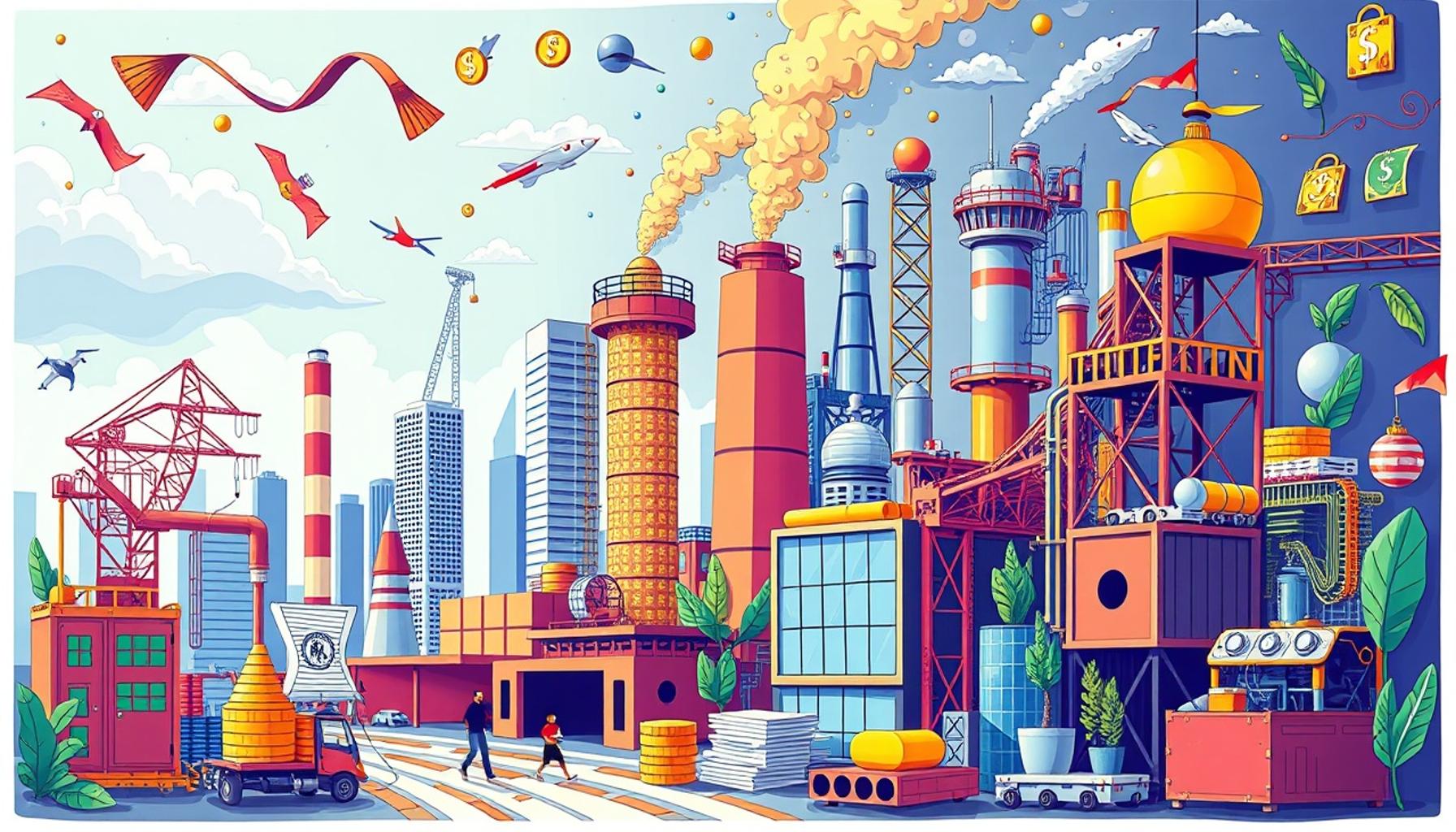
The Impact of Technology Startups on Traditional Industries
In today’s fast-paced world, technology startups have become a pivotal force for change, reshaping not only the marketplace but also the broader landscape of industries across the globe. One of the most significant contributions of these emerging companies is their ability to drive innovation. Startups often harness cutting-edge technologies such as artificial intelligence, blockchain, or the Internet of Things to develop disruptive products and services that challenge the status quo.
For example, consider the evolution of financial services with the birth of fintech startups. Companies like Square and Robinhood have introduced digital payment solutions and commission-free trading, respectively. These innovations have not only revolutionized personal finance but have also pushed traditional banking institutions to enhance their offerings and adapt to a more tech-savvy customer base.
Market Entry Strategies
Another key aspect of technology startups is their market entry strategies. Many startups manage to penetrate established markets by offering unique value propositions that resonate with consumers at a lower cost. The success of Spotify in the music industry is a prime example. By providing streaming services without the need to purchase individual tracks or albums, Spotify transformed how people consume music. This choice not only attracted millions of users but also compelled traditional music companies to reconsider their distribution models.
Customer-Centric Approaches
Startups typically place a strong emphasis on the customer experience. They prioritize user feedback and rapid iteration to enhance their products continuously. This focus often leads to increased customer satisfaction and loyalty, as seen with companies like Slack. The platform revolutionized workplace communication by creating an intuitive interface and incorporating user-requested features, which made it an indispensable tool for numerous organizations.
The influence of technology startups is particularly evident through iconic companies such as Uber in transportation and Airbnb in hospitality. These companies did not just capture significant market shares; they also shifted consumer behavior and expectations. As a result, established firms had to rethink their business strategies and adapt to a landscape where agility and responsiveness had become essential.
Understanding the dynamics of technology startups is crucial for anyone looking to grasp future industrial trends. These agile entities are not merely emerging competitors; they are actively setting the stage for a new era of competition and innovation, where adaptability and customer-centric solutions will define success.
DISCOVER MORE: Click here for detailed application steps
Disruption Through Innovative Business Models
One of the defining characteristics of technology startups is their ability to challenge and reinvent traditional business models. Unlike established companies, which often have rigid structures and lengthy processes, startups are more agile and willing to experiment. This flexibility allows them to innovate rapidly, often unveiling business models that turn industries on their heads.
For instance, in the retail sector, the rise of companies like Warby Parker and Dollar Shave Club exemplifies this trend. Warby Parker disrupted the eyewear industry by providing high-quality glasses at a fraction of the traditional price, primarily through an online-based model that cuts out middlemen. By allowing consumers to try on frames at home via a simple mail-in process, they not only enhanced the purchase experience but also reduced costs significantly. Similarly, Dollar Shave Club upended the shaving industry with its subscription service model, offering high-quality razors delivered directly to customers’ doors. This direct-to-consumer approach eliminated the need for physical retail space, thus lowering overhead expenses and providing value that consumers appreciated.
Access to Technology and Capital
The role of accessible technology in empowering startups cannot be overstated. The rise of cloud computing, digital marketing tools, and social media platforms has democratized access to resources that were once available only to larger corporations. Startups can now develop sophisticated software solutions or launch marketing campaigns that reach millions without incurring the costs that traditional companies would face.
Moreover, the availability of venture capital and crowdfunding has skyrocketed, making it easier for startups to secure the funding they need to bring their ideas to life. Investors are increasingly looking for opportunities to back innovative ideas that challenge existing paradigms. This funding enables startups to scale quickly and compete directly with established companies that might have dominated their sectors for years.
Examples of Successful Disruption
To further illustrate the impact of technology startups on traditional industries, consider the following examples:
- Netflix: Transitioned from DVD rentals to a streaming service, effectively changing the way audiences consume television and movies.
- Instacart: Revolutionized grocery shopping by providing a platform for same-day delivery, prompting traditional grocery chains to enhance their online shopping capabilities.
- DoorDash: Altered food delivery services by connecting consumers directly to restaurants, challenging conventional delivery methods used by many local eateries.
These examples highlight how technology startups not only introduce new services but also compel established players to rethink their operations and incorporate innovative features to remain competitive in a constantly evolving marketplace. As technology continues to advance, the role of startups in driving change will only become more pronounced, underscoring the need for traditional industries to adapt or risk obsolescence.
LEARN MORE: Click here to find out how to apply
The Influence of Consumer Behavior on Innovation
Another significant factor in the disruption of traditional industries by technology startups is the evolution of consumer behavior. As consumers become more tech-savvy and reliant on digital experiences, their expectations have shifted dramatically. This transformation compels companies to adapt rapidly to meet the rising demand for convenience, personalization, and accessibility.
For example, consider the travel industry. Startups like Airbnb and Uber have fundamentally changed how consumers approach travel and transportation. Airbnb allows individuals to rent out their homes or spare rooms, creating a unique marketplace that offers travelers an enjoyable local experience at a lower price than traditional hotels. On the other hand, Uber disrupted the taxi industry by enabling users to book rides via a mobile app, providing a more convenient and often more economical alternative to traditional taxi services. Both companies have harnessed the power of technology to personalize customer experiences, challenging established businesses to rethink their service delivery models.
Data-Driven Decision Making
The integration of data analytics into business operations has become a cornerstone for many startups. With access to vast amounts of data, technology startups can identify market trends, predict consumer preferences, and tailor their products or services accordingly. This evidence-based approach allows them to make informed decisions that traditional companies may struggle to achieve, especially if they are entrenched in legacy systems.
A prime example is Spotify, a music streaming service that utilizes algorithms to analyze user listening habits and curate personalized playlists. By leveraging data, Spotify not only enhances user satisfaction but also reshapes how the music industry approaches distribution and promotion, pushing traditional record labels to adapt to a more data-driven environment.
The Role of Regulatory Changes
As technology startups drive innovation, they also often encounter and navigate regulatory hurdles that traditional industries have long accepted as standard. The agility to adapt to new regulations or even to advocate for changes in policy gives startups a unique advantage. The tech sector has frequently challenged antiquated regulations that do not align with new business models, promoting modernization across sectors.
For instance, the rise of fintech startups such as Robinhood has introduced innovative investment platforms that democratize access to financial markets. By simplifying the trading process and eliminating commissions, Robinhood challenges established brokerage firms and compels them to innovate their offerings. Regulatory bodies are then prompted to consider adjustments that reflect this shift, further facilitating a more competitive landscape.
Collaboration Over Competition
Interestingly, the disruption caused by technology startups has also led to a new trend where collaboration often takes precedence over competition. Large corporations recognize the value of partnering with startups to leverage new ideas and technology. Initiatives such as accelerators and incubators are becoming commonplace, allowing established companies to work alongside startups to foster innovation and drive change from within their own operations.
Companies like Google and Microsoft have established accelerator programs that not only provide funding but also offer mentorship and resources to startups, fostering a culture of innovation that can benefit both parties. This collaborative spirit not only assists established businesses in staying relevant but also propels startups into the mainstream, positively impacting the overall industry landscape.
DISCOVER MORE: Click here to learn about smart investing strategies
Conclusion
In summary, technology startups have become key players in reshaping traditional industries, leveraging consumer behavior shifts, data-driven insights, regulatory adaptation, and collaborative efforts to create innovative solutions. As consumers increasingly demand personalized and convenient experiences, startups like Airbnb and Uber demonstrate how technology can transform sectors like travel and transportation by offering alternatives that prioritize consumer desires over established practices.
Data analytics plays a crucial role in this evolution, enabling startups to tailor their offerings based on real-time insights. Services like Spotify illustrate the power of data to not only enrich customer satisfaction but also influence legacy models, compelling traditional companies to adapt to stay relevant and competitive.
Furthermore, as startups challenge outdated regulations, they help drive necessary changes that reflect modern business realities, as seen with fintech innovators like Robinhood. This disruption fosters a more dynamic economic landscape where regulatory frameworks must evolve in tandem with consumer expectations and technological advancements.
Lastly, the emerging trend of collaboration between startups and established corporations signifies a shift in how industries operate. Through initiatives like accelerators and incubators, larger companies can enhance their innovation pipelines while startups gain access to resources and mentorship. This collaborative approach not only benefits individual companies but also fosters a more vibrant and competitive industry ecosystem.
As we move forward, the synergy between technology startups and traditional industries will undoubtedly continue to shape our economic landscape in profound ways, emphasizing the need for both agility and innovation in a rapidly changing world.

Linda Carter
Linda Carter is a writer and expert known for producing clear, engaging, and easy-to-understand content. With solid experience guiding people in achieving their goals, she shares valuable insights and practical guidance. Her mission is to support readers in making informed choices and achieving significant progress.